





Insights , 5 min read
Warehouse and logistics security through the peak delivery season
How North West warehouses and 3PL sites can keep access, yards and loading bays under control as delivery volumes rise towards Christmas.
 Kingpin Security
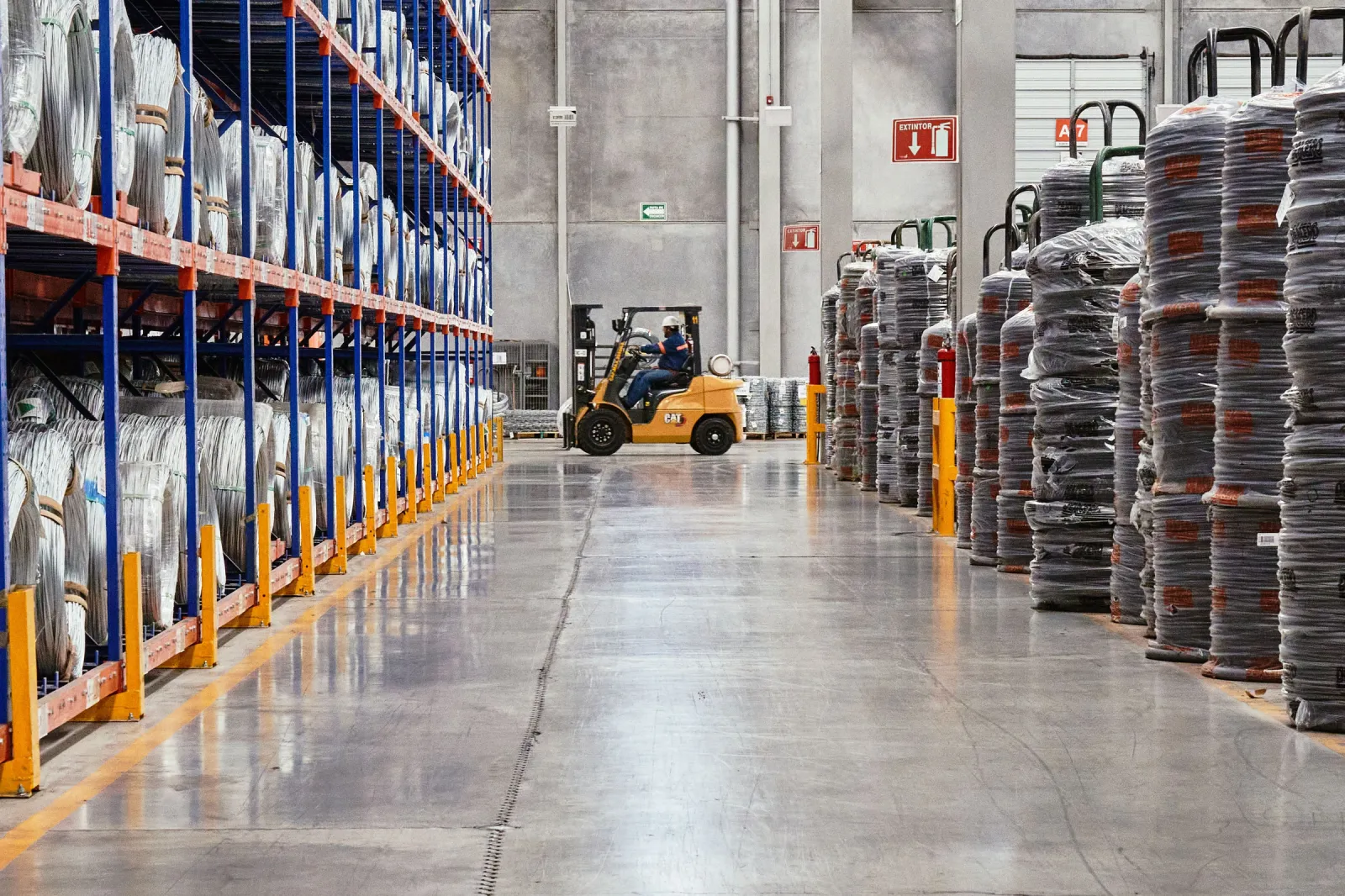
The weeks from late November to Christmas are when many warehouses, fulfilment centres and third-party logistics sites in the North West are at their fullest. More vehicles arrive, temporary staff join established teams, and loading bays that were orderly in October run later into the evening. Security in that period is not a separate project. It is the same access control, yard discipline and reporting you rely on all year, applied consistently when the site is under more pressure.
We support logistics operators from our base in Holmes Chapel, across corridors that include Manchester, Warrington, Preston and the wider region. We will not invent theft statistics or promise a particular response time. What follows is a clear view of the points that usually matter most, and how logistics and warehouse security can be arranged without getting in the way of the operation.
Where pressure shows first
Peak season tends to stretch the places where a site already has seams. The gatehouse becomes busier. Visiting drivers who do not know the site need clearer instruction. Temporary colleagues may not have had the same induction as the standing team. Trailers spend longer on the yard. Doors that should be shut between movements are left open because someone is "just coming back".
Those are process problems as much as security problems, and they are better solved together. A security officer at a gate or a loading-bay entrance is only effective if they know the rules of the site and are supported when they apply them. If the rule is that a vehicle is not accepted without a booking, or that a pedestrian gate is not used as a shortcut, that rule has to hold at 9pm as well as at 9am.
Access control that still works when the yard is full
Start with a simple question: who is allowed onto the site, and how is that checked when several vehicles arrive at once. A peaked operation needs a method that is quick enough to keep the queue moving and firm enough that an unknown vehicle is not waved through to keep the line short.
- Separate, as far as the layout allows, staff parking, visitor parking and HGV holding.
- Keep a record of vehicles and pedestrians on site, including contractors and agency staff.
- Brief the gate on expected deliveries, rather than leaving officers to discover the day's plan from the queue.
- Control pedestrian access into the warehouse itself, not only the outer fence.
- Review how keys, fobs and temporary passes are issued and withdrawn when people finish a short contract.
Vehicle and driver checks should be proportionate and consistent. The aim is to know who is on the yard and that they are here for a genuine collection or delivery. It is also an opportunity to keep unauthorised passengers, informal turn-ups and poorly documented collections from becoming a habit during the rush.
The loading bay, the warehouse floor and internal theft risk
Most losses in logistics are not cinematic. They happen at the edges of a process: a door left unattended, a pick face that is poorly supervised on a night shift, a collection that does not match the paperwork, or a bag and a fire exit. Good security work in a warehouse is often quiet, and it is closely tied to supervision and to how stock is released.
We would rather help a site tighten those routines than add theatre at the fence and leave the dock unsupervised. Manned guarding on a logistics site can include a gatehouse, a patrol of the yard and a presence at key internal points, provided the assignment instruction is written for that building. Officers should understand fire routes, traffic rules and the difference between being helpful and being bypassed.
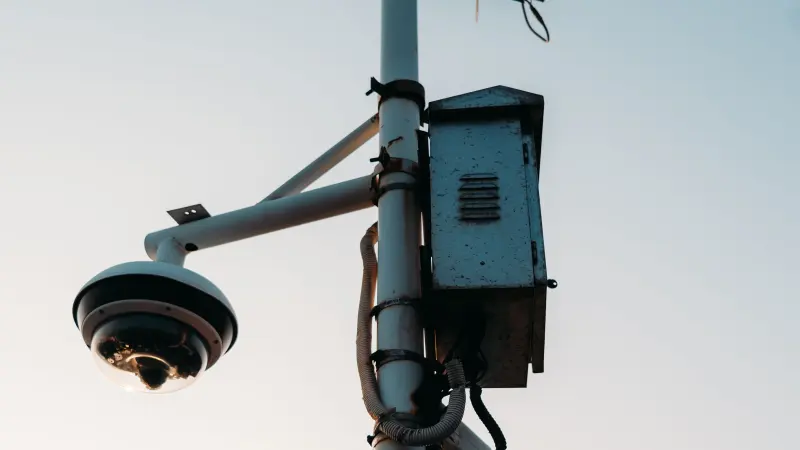
CCTV is most useful when it covers the actual points of risk, is monitored or reviewed in a disciplined way, and can be used alongside an incident report. Cameras pointing at a roof void, or a recorder no one can search the next morning, will not help a manager who is trying to understand a shortage. Our CCTV installation and monitoring work is specified around those practical questions.
Night cover and the days after Christmas
As hours extend, so does the need for a night arrangement that is more than a single person left to improvise. Lone-worker checks, a clear escalation path and a documented patrol of the yard, the dock and the perimeter give the night team a structure. If you already run mobile patrols or keyholding for a smaller unit, this is the moment to check whether the visit pattern still matches the hours you are now keeping.
It is also worth looking just beyond Christmas Day. Some sites fall quiet for a short period, then become busy again with returns and residual deliveries. A plan that only covers the outbound peak can leave a yard under-attended in that second phase, with stock and trailers still on the ground.
Briefing licensed officers into your operation
Our officers are SIA licensed and screened to BS 7858. On a logistics site they need a briefing that is as specific as the one you would give a new shift leader: traffic flow, personal protective equipment, who authorises a release, and how incidents are reported. We provide that through a written assignment instruction and a named account manager, with digital occurrence books so you can see what was recorded.
If you would like help with a North West warehouse or yard through the remainder of the peak and the weeks that follow, request a quote or get in touch. We will ask about your layout, your hours and the points where you already feel stretched, and we will propose cover that fits the site rather than a generic template.