








Insights , 5 min read
CCTV tips for small businesses in the UK
Practical CCTV tips for small businesses in the UK, covering purpose, privacy, signage, storage and how cameras sit alongside a wider security plan.
 Kingpin Security
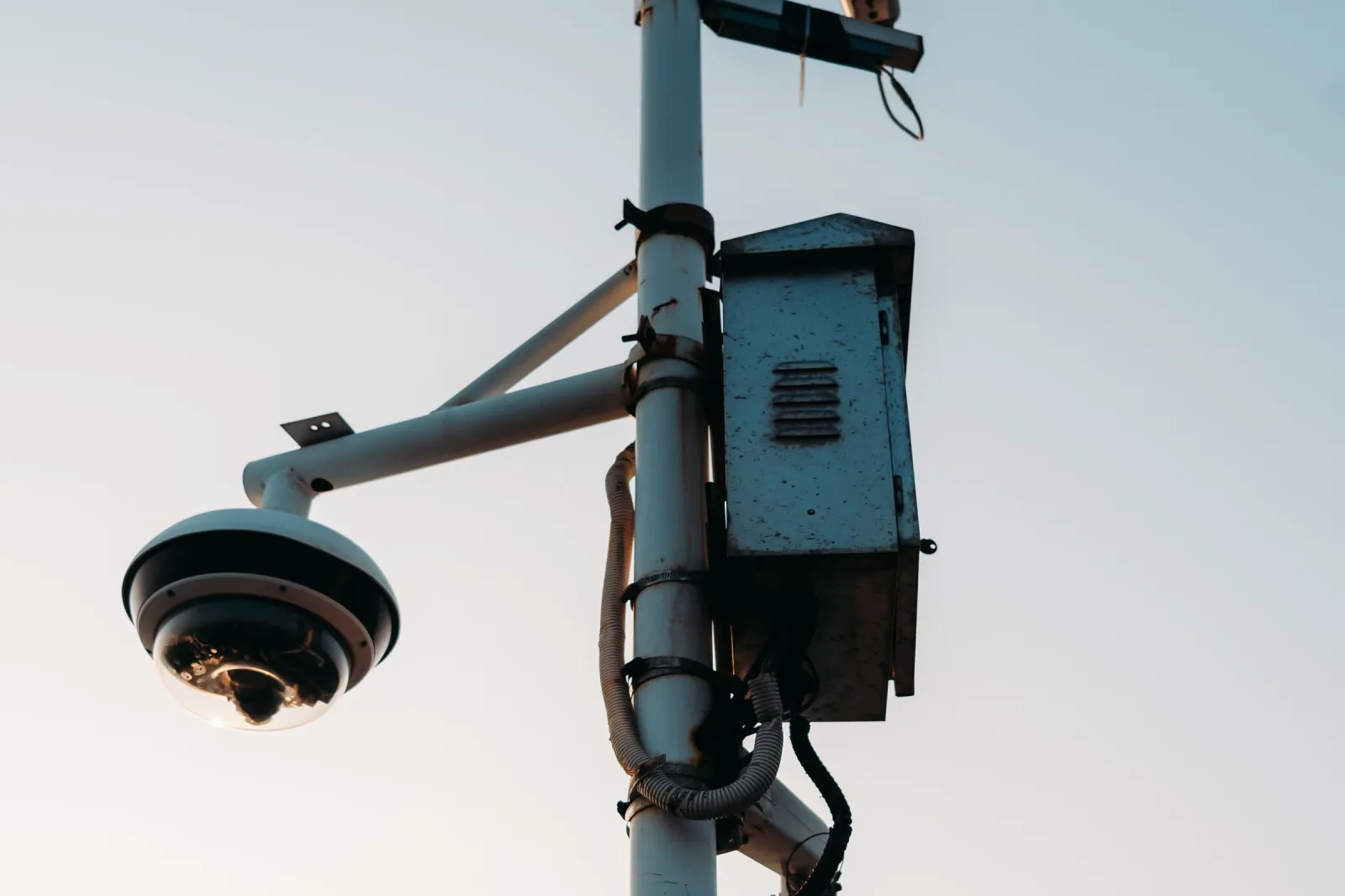
CCTV tips for small businesses in the UK are easy to reduce to a shopping list of cameras. The more useful questions come first: what are you trying to see, who will look after the system, and how will you use the footage lawfully. For many shops, offices, yards and small warehouses, a modest, well-placed system does more than a cheap kit pointed at the wrong door. This article is practical guidance, not legal advice. If you process personal data with cameras, read the Information Commissioner's Office advice and check whether the rules apply to your system.
We install and monitor CCTV from Holmes Chapel, Cheshire, and we also provide manned and mobile support across the North West. Our officers are SIA licensed and screened to BS 7858. Cameras are most effective when they are part of a plan, not a substitute for one. If you want help specifying a system, start with our CCTV installation and monitoring service.
Be clear about the purpose before you buy
Write down what the system is for: deterring theft, identifying a vehicle at the gate, covering a till, or giving a remote response team a view of an alarm activation. That purpose should decide the number of cameras, the lighting, and how long you keep recordings. A camera that cannot recognise a face at the doorway, or a plate at the yard entrance, will not do the job you thought you had paid for.
Walk the site at the time of day you actually worry about. A retail floor that looks bright at noon can be poorly lit at close of business. Think about glare from shop windows, and about doors that open onto a pavement. Cover the approaches that matter, not every corner you can reach with a cable.
Privacy, signage and the ICO's starting points
If your cameras capture images of people, the ICO treats that as personal data in the circumstances set out in its guidance. The ICO's advice for small organisations on CCTV for your organisation is the right place to start, together with its checklist for limited CCTV systems. In broad terms, you should be clear why you need the system, use it only for that purpose, make people aware that cameras are in use, keep footage secure, and not keep it for longer than you need. You should also be ready to respond to requests about the data you hold, in line with data protection law.
Put up clear, visible signs at the entrance to the area being recorded. Signs should say that CCTV is in use and who is operating it, with a way to make contact. Do not point cameras into areas where people have a strong expectation of privacy, such as toilets or changing rooms, and be careful with views that look into neighbouring homes or a public pavement beyond what you need. If you are unsure, read the ICO guidance rather than relying on a supplier's brochure.
Practical CCTV tips for small businesses
- Set the time and date correctly, and check them after a power cut. Footage with the wrong timestamp is much harder to use.
- Choose a retention period that matches your purpose, and then stick to it. Keeping everything "just in case" is not a policy.
- Limit who can view or export footage, and keep a simple record of who did so, and why.
- Test that you can actually export a clip when you need one, before an incident makes that urgent.
- Keep the recorder locked, ventilated and on a reliable power supply, with a way to know if it has failed.
- Clean lenses and check views after shop-fitting, seasonal displays or a new skip in the yard.
- If you have a monitored alarm or a mobile response, make sure the people who attend can be given a live or recorded view when it is needed.
For an illustrative example, imagine a small retailer who finds a till discrepancy and asks for "last week's CCTV". The recorder had been stuck on the wrong date since a power cut, and the relevant camera was blocked by a new display. That is an illustrative example, not a real incident. A monthly check would have found both problems.
Cameras work better with the rest of your security
CCTV does not lock a door, challenge a visitor, or close a yard gate. It works alongside access control, lighting, good closing procedures, and, where the risk justifies it, a visiting patrol or a staffed response. If you want cameras specified for a shop, office or yard in the North West, request a quote or contact us. Read the ICO's current pages before you switch a system on, and review your purpose and signs if the way you use the site changes.
Frequently asked questions
Do I need signs if I have CCTV in my shop?
ICO advice for organisations is that you should make people aware cameras are in use. Clear signs at the entrance to the recorded area, with who operates the system and how to contact them, are the usual way to do that. Read the current ICO guidance for your situation.
How long should I keep CCTV footage?
Keep it only as long as you need it for the purpose you have decided. The ICO does not set one retention period for every small business. Choose a period you can justify, document it, and then overwrite or delete footage when that period ends.
Can I point a camera at the pavement or a neighbouring house?
Be careful. Record what you need for a legitimate purpose, and avoid capturing neighbouring homes or a wider public area than your purpose requires. If you are unsure, read the ICO guidance or take advice before you install the camera.
Is a cheap plug-in system enough?
It can be, if the views, lighting, storage and access controls actually meet your purpose and your data protection duties. Many problems we see are not about the brand of camera, but about a blocked view, the wrong time stamp, or footage that nobody can export. Assess the site first.