Insights , 5 min read
Party-season door supervision for North West hospitality venues
How licensed door teams help North West bars, clubs and hotels stay calm, compliant and well run through the late-November and December party period.
 Kingpin Security
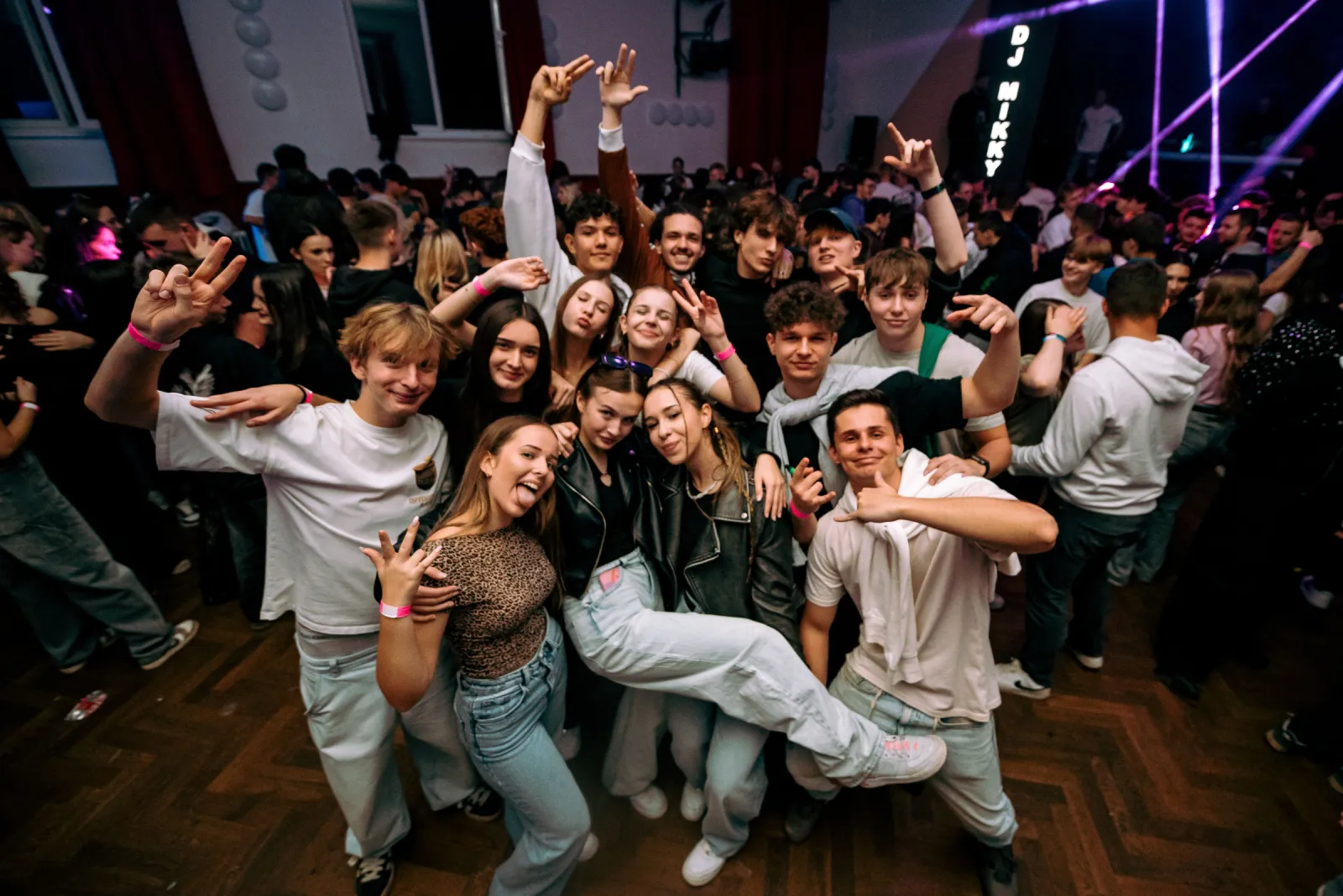
From late November through New Year, hospitality in the North West moves at a different pace. Office parties fill midweek tables, Saturday nights run longer, and hotels take on private dining, festive functions and guests who are new to the building. For bars, clubs and hotels, that is when a door team is most clearly part of how the venue is run, not an afterthought at the rope.
We are a North West security firm, based in Holmes Chapel in Cheshire, and we work with hospitality operators across Greater Manchester, Merseyside, Lancashire, Cheshire and Cumbria. The advice below is practical. It is about keeping guests safe, protecting your premises licence, and running a door that feels calm and well briefed when the room is at its busiest.
What changes in the party season
The risks are familiar, but they concentrate. More people arrive in groups. More guests are drinking before they reach the door. Queues form earlier, and they can spill onto pavements that were quiet a month before. Closing time becomes a longer, more crowded process, with taxis, takeaways and neighbouring venues emptying at once.
Hotels face a slightly different pattern. A function may be well run inside the room, while the lobby, car park and corridors still need a quiet, consistent presence. A door officer who understands both the event and the house rules makes that easier.
It requires a plan that matches the nights you actually have in the diary, rather than a copy of a quiet Tuesday in October.
The door as part of the premises licence
In licensed premises, the door is one of the ways you demonstrate control. Admissions, refusals, capacity, searching and the way a queue is held on the street all sit close to the conditions on a premises licence and to what a licensing authority or police licensing team would expect to see on a busy night.
A well-run door is visible without being theatrical. Officers should know the conditions that matter for that venue: last entry, capacity, rejected items, age verification, and any local expectations about dispersal. They should record refusals and incidents clearly, so the designated premises supervisor and the management team have a record they can stand behind if questions follow later.
- Agree last entry, capacity and search policy in writing before the busy period begins.
- Brief the team on the layout, fire exits, radio channels and who makes the final decision on a refusal.
- Keep the queue orderly and on your side of the pavement, with a clear view of the door.
- Log refusals, ejections and notable incidents in a consistent occurrence book.
The point of a log is that it is accurate, timely and useful the following day, not that it exists for its own sake.
What good door supervision looks like
Every officer on a licensable door role must hold the SIA licence that role requires. Our officers are SIA licensed and screened to BS 7858. Presentation matters as much as the badge. A guest's first impression of your venue is often the person at the door, so uniforms should be smart, language should be measured, and decisions should be explained calmly, even when someone is disappointed.
Conflict management is quieter than it is often portrayed. Most difficulty at the door is resolved by early, courteous intervention: a clear reason for a refusal, a moment of space, and a refusal to be drawn into an argument on the threshold. Physical intervention, when it is necessary and lawful, should be a last resort and should be recorded properly.
Searching, where you have a policy for it, needs to be consistent and respectful. A policy that is applied only when a queue looks difficult will not stand up as a policy. The same standard should apply to regulars and to visitors, and officers should know how prohibited items are stored, recorded and, where appropriate, handed to the police.
Closing time and the street outside
Many of the nights that cause a venue the most trouble do not begin at the door. They begin when the room empties. A considered dispersal plan, agreed with management, is one of the more useful things a door team can support in December: staggered exit where it helps, a presence at the taxi point or car park, and a clear instruction about bottles and glasses leaving the premises.
It also helps to think about the neighbouring premises. A cluster of bars in a city centre, whether that is Manchester, Liverpool, Preston or a market-town high street, shares the same pavement at 2am. A door team that only looks inward is only doing half the job. Officers should know who to call, how to describe a problem accurately, and when a situation has moved beyond the doorway and needs the police.
Briefing, supervision and the weeks ahead
The party season is not one night. It is a sequence of Fridays, Saturdays, midweek dinners and New Year's Eve, often with a mixture of regular officers and additional cover. Continuity comes from the briefing, not from hoping the same faces appear every time. A short, site-specific assignment instruction, a named supervisor on the busier nights, and a handover between early and late teams will do more for consistency than a long generic handbook.
If you already have a door contractor, this is the moment to check that the plan still matches the diary. If you are arranging cover for the first time, start with the nights that carry the most risk, then work outwards. We provide door supervision for bars, clubs, hotels and private venues, and we also work more widely in hospitality and nightlife across the North West.
If you would like to talk through the weeks ahead, you can request a quote or contact our team. We will ask about your licence conditions, your layout and your busiest dates before we propose a team.