



Insights , 5 min read
Darker evenings: keyholding, alarm response and mobile patrols
What licensed keyholding, alarm response and mobile patrols can do for offices, industrial estates and vacant buildings as the nights draw in.
 Kingpin Security
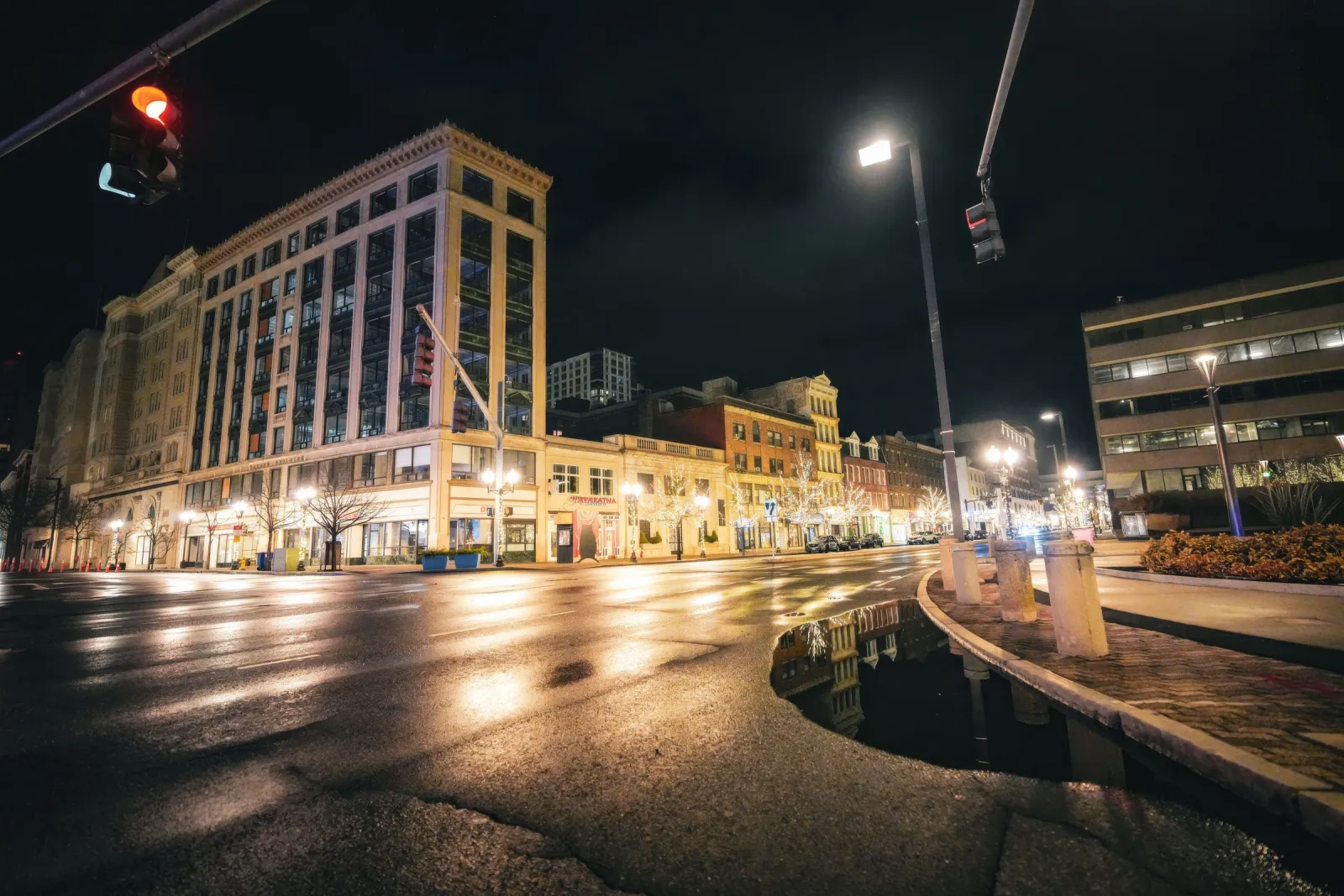
Once the clocks have gone back, many offices, workshops and industrial estates in the North West are left in darkness long before the last person has travelled home. Car parks empty earlier. Neighbouring units close at different times. A building that feels overlooked at 4pm in June is simply unattended at 4pm in December. For a facilities manager, that is often the point at which keyholding, alarm response and mobile patrols become more useful than a hope that nothing will happen overnight.
We provide these services from Holmes Chapel, across the North West and further afield. What follows is an explanation of what each service actually involves, how they differ, and how to choose a proportionate mix. We will not invent attendance times or crime figures. A good arrangement is one you understand, and one that produces a record you can read the next morning.
Keyholding, in plain terms
Keyholding and alarm response is a simple idea with a formal structure. You lodge keys, fobs or access cards with a security contractor, rather than asking a member of staff to be the person who turns out when an alarm activates at night. A licensed officer attends, checks the premises, and either resets the system, waits for a nominated keyholder, or liaises with the police if there are signs of a break-in.
The officer who attends must hold the correct SIA licence for the work. Our officers are SIA licensed and screened to BS 7858. They should arrive with a clear understanding of the building: the alarm panel, the zones that matter, any hazards, and the people who are authorised to be there out of hours. That information belongs in the assignment instruction, not in someone's memory.
There is a discipline to this that clients sometimes only notice when it is missing. Keys must be stored securely, booked out and booked back in. Attendance should be logged, with the time, the findings and any photographs that help explain what was found. If nothing is wrong, that fact should still be recorded. A quiet night is still a completed attendance.
What an alarm attendance should look like
An alarm is not, by itself, evidence of a crime. Many activations have ordinary causes: weather, wildlife, a door that was not seated, a contractor who entered without a code. The job of the attending officer is to establish the condition of the premises carefully, without adding risk, and to leave the building secure.
- Approach with care, and treat the first visit as an assessment, not a rush to the panel.
- Check the obvious points of entry as well as the zone that has activated, where it is safe to do so.
- Record any damage, open doors or unusual conditions, with photographs where they help.
- Reset only when you are satisfied it is appropriate, or hold the scene and contact the police if it is not.
- Leave the client a clear report, not a one-line confirmation that someone attended.
This is also why we are cautious about promising a particular time of arrival in general terms. Attendance depends on location, traffic, weather and how many genuine activations are taking place at once. What we will always do is explain how the arrangement works for your site, and report honestly on what happened.
Mobile patrols, and when a static officer is the better fit
A mobile patrol is a scheduled or randomised visit to a site, an estate or a group of buildings. The officer checks agreed points, looks for unsecured doors, damage or unexpected activity, and leaves a record of the visit. Patrols are often used for industrial estates, vacant units, compounds and offices that do not justify a permanent night presence, but still need a visible check after closing.
Patrols work best when the route is designed around the risks of that site: the rear elevation, the loading door, the unlit corner of the car park, the cabins or stores that hold tools. A drive through the front car park, without leaving the vehicle, is rarely enough. We record patrol points electronically so that you can see that the agreed locations were visited.
There are sites for which a patrol is not the right answer. A building with a particular vulnerability, a high volume of out-of-hours activity, or a layout that cannot be assessed quickly may need a static officer instead. In that case, manned guarding or a concierge-style presence may be more appropriate. The decision should be made on the site, not on a brochure.
Vacant buildings and the winter months
Empty offices, retail units and industrial buildings need a slightly different approach. They are unoccupied for weeks rather than hours, and the first sign of a problem can be a door that has been open for some time. Regular inspections, attention to locks and boarding, and a combination of alarms and patrols are usually more useful than a single visit after something has already happened. Our vacant property protection service is built around that slower, more methodical rhythm, with reporting throughout.
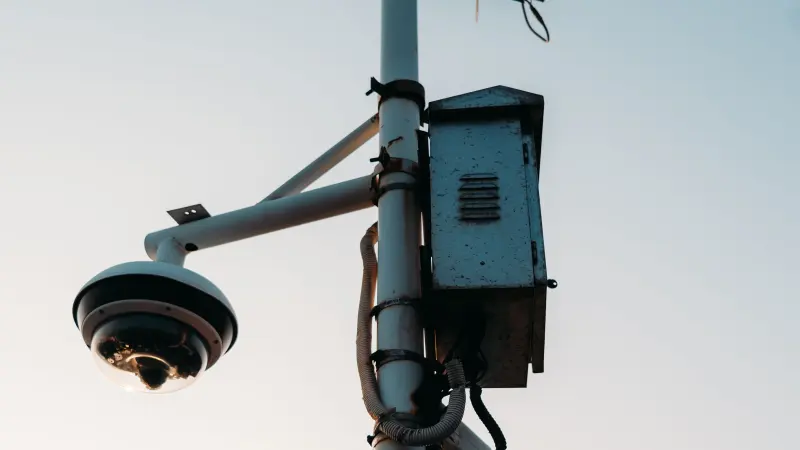
Lighting and CCTV still have a part to play, provided they are specified around the approaches that matter. A dark elevation at the back of an estate is often more important than a well-lit front sign. Where monitoring is in place, it should be linked to a response that can actually attend, which is why we often discuss cameras and keyholding together. See CCTV installation and monitoring.
Putting an arrangement in place
If you look after a building or an estate in the North West and you are reviewing cover for the darker months, the most helpful starting point is a short conversation about how the site is used after hours, who currently holds keys, and what you want to see in a report. You can request a quote or contact our team. We will propose a clear arrangement, with licensed officers and a named account manager, rather than a vague promise of presence.