






Insights , 5 min read
Construction site security over the winter shutdown
A practical look at how North West construction sites can be protected when work slows or stops over the winter and festive break.
 Kingpin Security
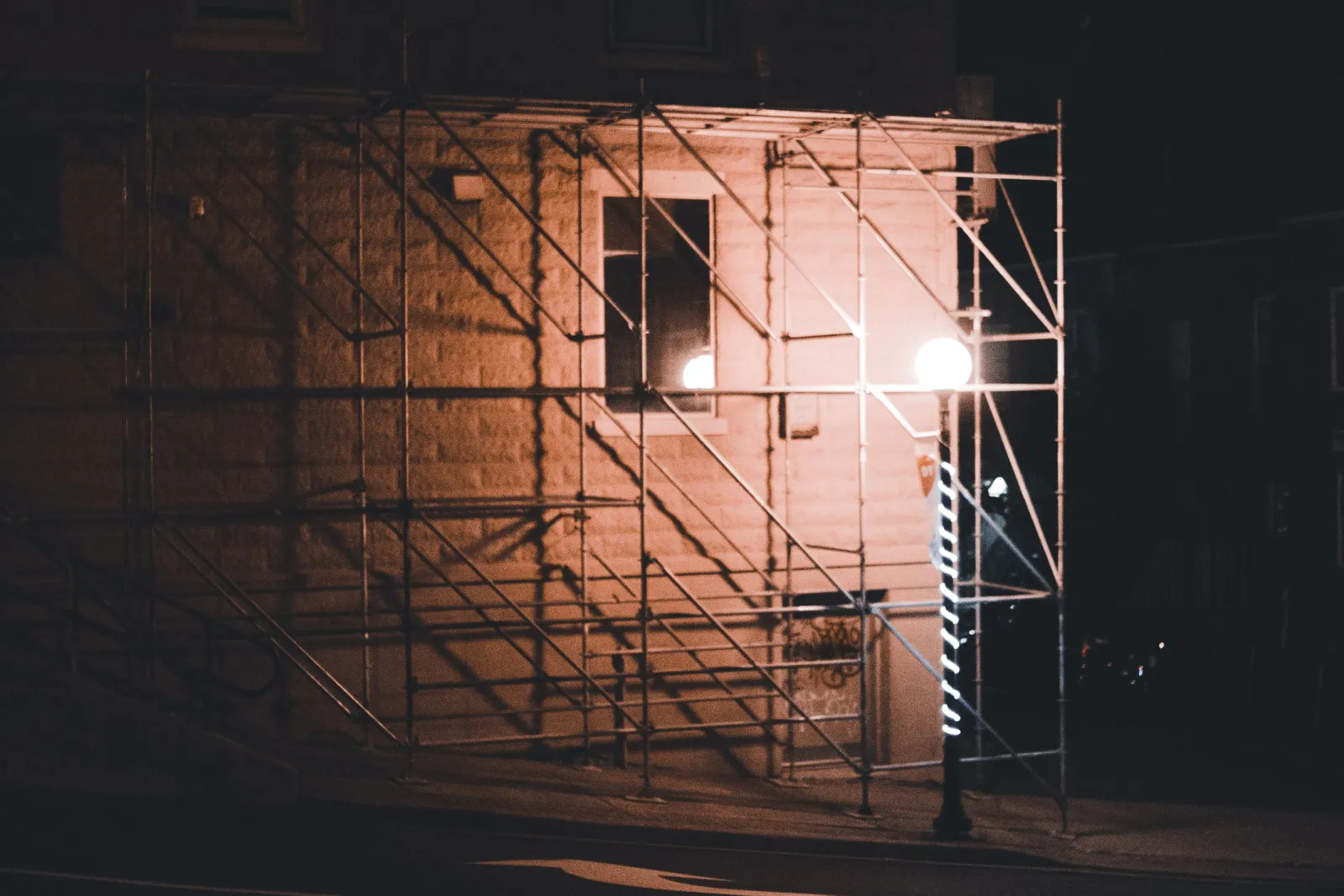
For many construction sites in the North West, the weeks around Christmas and the New Year are the quietest of the year. Work slows, some projects shut completely, and plant, materials and fuel are left on ground that was busy a few days earlier. A site that is well controlled in daylight can become a different proposition once the cabins are locked and the street is dark at half past four.
We work with contractors, developers and site managers across the region from our office in Holmes Chapel, Cheshire. This is not a lecture about crime figures, and we will not invent them. It is a practical note on how to leave a site in a condition you are content to return to in January, and how construction site security should be planned as part of the shutdown, not added on the last afternoon.
Why the shutdown needs a specific plan
A working site has natural supervision. People arrive, deliveries are signed for, and unfamiliar vehicles tend to be noticed. During a shutdown, that informal control disappears. Perimeter fencing that was adequate when the compound was occupied may not be enough when there is no one to challenge a van at the gate. Temporary lighting set up for trades will not necessarily cover the areas a trespasser would use.
Typical targets are predictable: plant and tools, diesel, copper and other metals, cabling, and anything that can be moved quickly from an unattended compound. There is also the secondary harm of damage, arson and the delay that follows a break-in, even when relatively little is taken. A shutdown plan should therefore think about delay and detection as well as deterrence.
What to settle before the last working day
The most useful work happens before the site empties. Walk the boundary in the state it will actually be left, not the state it is in at midday on a working Friday. Look at the gate, the compound, the welfare cabins, any incomplete structures, and the routes a vehicle could use after dark. Then decide, in writing, who holds keys, who is the out-of-hours contact, and what happens if an alarm or a patrol raises a concern.
- Reduce what is left on site. Remove or secure high-value tools, keys and portable plant wherever you can.
- Lock down fuel, and avoid leaving keys or fobs in cabs as a matter of habit.
- Check that fencing, gates, padlocks and container locks are complete and consistent.
- Confirm that any CCTV covers the approaches that matter, and that lighting does not leave deep shadow along the fence line.
- Leave a simple plan for the person who will attend: access route, hazards, and who to call.
If the site is effectively vacant for a fortnight or more, treat it as a vacant property problem as well as a construction one. Our vacant property protection work follows the same logic: inspections, lock changes where needed, and a clear record of each visit.
Choosing the right level of cover
There is no single pattern that suits every site. A large inner-city development in Manchester or a waterside plot in Chester may justify a static officer through the break. A smaller or more rural site may be better served by scheduled and random mobile patrols, perhaps with alarm response and a daily report. Some clients combine the two: a static presence on the nights of highest risk, and patrols on the quieter ones.
Manned guarding on a construction site is about more than standing at a gate. The officer should know the hazards, the permitted visitors, if any, and how to record what they find. Patrols should be recorded, not simply claimed. We use digital occurrence books and NFC patrol logs so that you can see when a check was made and what was observed, including photographs where they help.
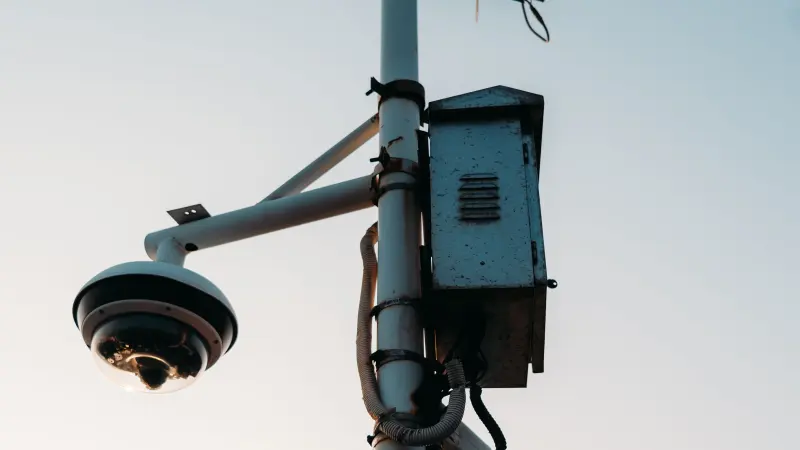
CCTV has a place in this, particularly when it is specified around the real approaches to the site and linked to someone who can respond. A camera that looks at an empty wall, or a system that no one is watching, will not do much work on its own. Where we install or monitor systems, we treat them as part of a wider arrangement, alongside licensed officers, rather than as a substitute for a plan. See our notes on CCTV installation and monitoring.
Officers, briefing and returning in January
Our officers are SIA licensed and screened to BS 7858. On a construction site that matters in two directions: they should be able to represent your project to a neighbour or a passing police officer, and they should understand that a building site is a workplace with its own dangers, even when it is quiet. A short, site-specific briefing before the first shutdown shift is not optional. It should cover access, welfare, known hazards, emergency contacts and what "normal" looks like on that plot.
It is also worth planning the return to work. The first morning back is easier if the last patrol or the static officer has left a simple handover: any incidents, any damage, and confirmation that the gate, compound and cabins were found secure. That is a small piece of reporting, and it saves time when trades are trying to start again.
If you are preparing a shutdown for a site in the North West and would like a straightforward proposal, you can get a quote or contact us. Tell us the dates the site will be quiet, what will remain on the ground, and how you currently control access. We will suggest a proportionate arrangement, not a standard package for its own sake.